
Fentanyl is synthetic, which means it is made entirely in laboratories and has no natural ingredients. It was developed as a prescription medicine for treating severe pain, such as pain after surgery. Opioids bind to mu-opioid receptors in the brain and spinal cord, dampening pain signaling while triggering dopamine release that produces euphoria and sedation. Because fentanyl crosses the blood-brain barrier rapidly, onset is fast and intense, but effects are short, promoting frequent redosing and escalating tolerance. An overdose happens when a drug produces serious adverse effects and life-threatening symptoms.

The Dangers of How Fentanyl Affects the Brain
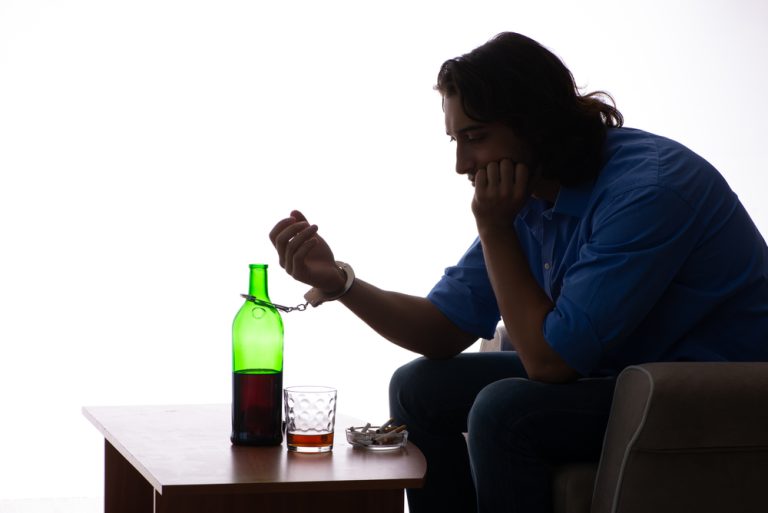
Fentanyl is a powerful synthetic opioid used to treat severe pain, typically in medical settings. It is significantly stronger than morphine and is prescribed for conditions like cancer pain or post-surgery recovery. However, fentanyl is also produced illegally and sold on the streets, often mixed with other substances. This makes it highly dangerous, as even a small amount can cause overdose. Fentanyl affects the brain’s opioid receptors, reducing pain but also creating a sense of euphoria.
Nova Recovery
- It is essential to seek medical attention immediately if you experience any of these symptoms after potential exposure to fentanyl.
- From respiratory and heart damage to severe cognitive issues, the consequences of fentanyl use are profound and often life-threatening.
- The changes in brain chemistry caused by the drug can make you feel hopeless, anxious, and detached from reality.
- You can buy naloxone over the counter from a local pharmacy, and you do not need training or authorization to use it.
Understanding the mental health effects of fentanyl is crucial for both individuals struggling with addiction and their loved ones seeking support. Fentanyl is a powerful synthetic opioid that has the potential to cause serious heart problems. Various cardiac side effects are possible, including slow heart rate, low blood pressure, and irregular heartbeats. When taken in large doses or in conjunction with other drugs, fentanyl can potentially cause heart failure or cardiac arrest. When fentanyl is abused, injected, or mixed with other substances like alcohol or benzodiazepines, the risk of these effects increases.
- The effects usually last 4 to 6 hours, but the risk of overdose can occur within minutes of use.
- Fentanyl has emerged as one of the most dangerous substances at the heart of this epidemic.
- Additionally, chronic users are at higher risk for infections such as hepatitis and HIV, often due to needle sharing.
Fentanyl Overdose
- It is safe to touch the person and items that may have fentanyl on them (like a doorknob) because fentanyl cannot be absorbed through the skin with casual use (Connolly, 2022).
- First responders will likely administer naloxone if you haven’t already, or give it to them again.
- Mental health care can address underlying issues like anxiety, depression, or unresolved childhood trauma.
- For those requiring utmost discretion, we uphold rigorous confidentiality protocols, creating a sanctuary where recovery occurs without exposure.
Begin with a free call to an addiction & behavioral health treatment advisor. The We Level Up treatment center network delivers how long does fentanyl stay in your system various recovery programs at each treatment facility. Prolonged utilization and misuse of fentanyl may result in physiological reliance, substance addiction, and lethal overdose. The consumption of Fentanyl in excessive amounts may lead to respiratory insufficiency, unconsciousness, and fatality.
These withdrawal symptoms are often so intense that they drive continued use, perpetuating the cycle of addiction. And because it’s so much more potent than other drugs, it can lead to even more problems. When someone becomes addicted to fentanyl, they may experience intense withdrawal symptoms.
With the powerful nature of fentanyl, your risk of overdose is already increased over taking even other dangerous opioids like heroin. It’s a prescription opioid that helps with the management of severe, chronic pain, most often in patients with cancer. Unfortunately, because it is a fast-acting opioid that can create a dramatic sense of euphoria when people begin using it, there is a high potential for abuse. Dependency occurs when the body becomes physically reliant on fentanyl to function. Addiction is marked by psychological dependence, where the drug becomes the central focus of the individual’s life, overshadowing all other interests and responsibilities. Drug addiction treatment programs offer structured help through inpatient or outpatient settings.

Paying for Treatment
The use of baclofen outside of the recommended dosage, in combination with other depressants to enhance its effects, or without a prescription are all indications that it may be abused. An overdose can occur rapidly, often within minutes of taking the drug. If someone appears to be experiencing an overdose, it is important to seek immediate medical attention. Our team provides personalized care that helps clients build a healthier future. At Pacific Shores Recovery, we’re here to guide and support you every step. Even small amounts can cause dizziness, nausea, or sudden unconsciousness.
The impaired circulation of blood and oxygen can make matters worse for the depressant effects on your central nervous system, increasing the risk of severe complications. Respiratory depression is a strong sign of an opioid overdose, which means that medical attention is urgently needed. Due to its potency, even short durations of use can lead to severe risks, including overdose.
When you take a prescribed dose of fentanyl, it can slow down your respiration, but if you take higher doses, it can cause you to stop breathing. Elvis, a seasoned Licensed Clinical Social Worker and Clinical Director at Align Recovery Centers, brings over ten years of expertise in addiction drug addiction therapy. His holistic approach and dedication to his clients’ transformative journeys highlight his significant impact in addiction therapy and mental health care. Fentanyl’s effects on the brain and body are profound and devastating, but understanding these impacts is the first step toward overcoming addiction.
Tell your care team if your pain does not go away, if it gets worse, or if you have new or a different type of pain. Tolerance means that you will need a higher dose of the medication for pain relief. Tolerance is normal and is expected if you take this medication for a long time. Even if you have failed previously and relapsed, or are in the middle of a difficult crisis, we stand ready to support you.